
When Water Meets the Road, What Comes Next?


LEED is increasingly focused on the major problem of stormwater runoff. Learn about how to use more porous, eco-friendly alternatives like the ones listed here in place of concrete and asphalt.
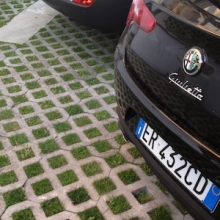
When it comes to firming up your plans for stable transportation roadways and pedestrian surfacing within your landscaping project, the old-fashioned methods of asphalt and standard concrete are out - and for good reason. Instead, there are a number of green and LEED friendly alternatives that are not only more sustainable, but also more attractive.
So why settle for the unimaginative options of yesteryear when you could instead invest in simple, green substitutes that will maintain the longevity of your property and the land around it, consequently improving your property value? Plus, whether it's a healthcare center or a core and shell project, the Sustainable Sites stormwater design and management credits in LEED are relatively straightforward ones to earn. (Note: according to LEED v4, the compliance metric is now total volume of runoff calculated for the 95th percentile regional or local storm events.)
The case for permeable paving isn’t overly sexy, but it is dire. According to the EPA, stormwater runoff is a massive problem in the US - and elsewhere in the world. Our rivers, lakes and waterways are becoming polluted from the lack of pervious surface area (otherwise known as natural land). Essentially, while heavy rains and snowmelt were at one time absorbed by all of the vast open space, today most heavy precipitation is diverted by impervious materials (driveways, roads, parking lots, etc.) and funneled through sewers where it becomes heavily polluted before hitting our water sources. Indeed, stormwater runoff often becomes polluted before even reaching sewers, picking up byproducts of fossil fuels, gasoline and oil residue, garbage and other substances before mixing with sewer water. When sewers and sewage treatment plants are overtaxed, incidents of raw sewage being dumped into rivers and oceans is not uncommon. Indeed, according to Save the Bay in Rhode Island, stormwater runoff has far reaching, often unseen consequences:
"Stormwater also carries sewage pollution from cesspools and combined sewer systems, causing the closure of swimming beaches and shellfish beds. It also overloads the Bay with nutrients - nitrogen and phosphorus - that cause oxygen levels to drop. In extreme conditions, this can cause fish and shellfish die-offs. When not properly managed, stormwater can cause major flooding events that disrupt people's lives and businesses."
Conventional Asphalt Alternatives
There are six basic surface-level solutions, all with varying costs and levels of efficacy for managing stormwater. While some are more effective than others, each is an improvement over watertight concrete or asphalt.
- Permeable Pavers: pavers with adequately sized gaps between them to allow for water to pass through
- Paving Grid: a durable plastic grid is sunken into the earth and lawn is then able to grow through and over
- Poured-in Place Pervious Concrete: concrete that uses larger grain material in the mix makes it more penetrable
- Porous Asphalt: like pervious concrete, this is a durable alternative to traditional asphalt that relies on larger internal materials
- Small Stones: small round stones (not crushed gravel) allow water to pass through but require more maintenance
- Hollywood Driveway: in a nod to an era gone by, use two parallel strips of concrete as a driveway
The option most appropriate for your project will depend upon budget, soil type, climate and the desired visual affect. Naturally, many LEED projects go beyond merely the above surface level materials to incorporate multiple layers of pervious substances as well as routing methods for the rainwater. Some also choose to incorporate rainwater catchment systems as a means for recycling some of the rainwater for non-potable uses.
Continue to check back as we’ll be diving deeper into such options in future articles. Have a question that needs answering today? Head over to the Q&A section.

Qualified Preparer of Stormwater Training and Certification Course: As a QPSWPPP, you will receive a dual credential as a QCIS, which qualifies you to inspect and maintain construction sites for stormwater compliance. This program covers the principles and practices of erosion and sediment control as well as the proper reporting and documentation requirements for ensuring compliance under the NPDES permitting program.
Connect.
Find LEED consultants and professionals with green building skills and experience.
Meet Pros.


Learn.
Relevant education and training to consider.
News.


Why join Poplar Network?

- Learn about green building
- Save on LEED exam prep
- FREE continuing education
- Join the conversation
- Connect with peers