
Are Native Meadows Key to Stormwater Management?


When investigating LEED SS credits 5.1 through 6.2, you might consider the application of a native wildflower meadow. A space of blossoms that can manage stormwater and support biodiversity? Yes, please!
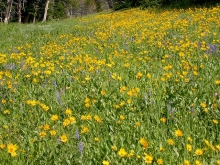
Who doesn’t love the scene from The Sound of Music when Julie Andrews is frolicking carelessly amidst the Alpine meadows singing “The Hills Are Alive”? In fact, it’s probably one of the most iconic moments from film. But if the beauty of that shot isn’t enough to entice you to implement a native meadow in your landscape design, perhaps the stormwater management perks are.
A meadow is a space of grassy and herbaceous vegetation, as opposed to woody flora. Meadow plant life utilized dies to ground level at the end of it’s growing season, so there is no permanent above-ground portion, and native meadows, specifically, employ only plants that are inherent to a region.
By opting for a native meadow design over lawn or even permeable paving, stormwater can be more effectively managed as native plants:
- Enhance groundwater recharge
- Protect surrounding streams
- Increase groundwater infiltration
- Can even prevent flooding
But improved stormwater management is only one of a number of benefits to this landscaping choice. Native meadows are also a cost saving and environmentally sustainable tactic for your landscaping, as they require minimal maintenance (reducing gas emissions from lawn mowers, weed whackers and other lawn equipment).
Finally, native meadows offer ecological benefits, attracting and supporting a wide variety of wildlife such as birds, bees, butterflies, and small mammals. The meadowland and wildflowers therein offer both food and shelter that would be otherwise nonexistent.
*Note, however, that native meadow landscaping is not appropriate for particularly small, urban spaces, as the stormwater management and wildlife benefits would be minimal. Instead, native meadows work best in land areas of at least a 1,000 square feet that receive at least 8 hours of sun.*
Whether a LEED professional or simply a do-it-yourselfer interested in implementing a native meadow, here are the outlining steps:
- Identify the soil type and average daily sun exposure of your land
- Consult with a local landscaper or vegetative specialist on native plant species regarding the types of wildflowers and native grasses appropriate. Remember to consider bloom times as well as plant heights and color.
- Purchase seeds from a supplier, preferably one who will offer a custom mix.
- For smaller plots, mix seeds in a 1:5 ratio with peat moss or topsoil. In larger applications where bulk bags are purchased, seek out bags with a 75 Pure Live Seed rate.
- Lightly stamp or roll seeds into the ground so that they are ½” deep. No need to water, but if it is an area that needs to be protected from foot traffic, consider covering with a light layer or straw or mulch.
From there, simply let the meadow take! As far as maintenance goes, simply eliminate any invasive species as you come across them. For extremely large swaths, mow once a year down to 3”-6”. Beyond that, simply enjoy the meadow and ongoing blooms as they arrive.

Qualified Preparer of Stormwater Training and Certification Course: As a QPSWPPP, you will receive a dual credential as a QCIS, which qualifies you to inspect and maintain construction sites for stormwater compliance. This program covers the principles and practices of erosion and sediment control as well as the proper reporting and documentation requirements for ensuring compliance under the NPDES permitting program.
Connect.
Find LEED consultants and professionals with green building skills and experience.
Meet Pros.


Learn.
Relevant education and training to consider.
News.


Why join Poplar Network?

- Learn about green building
- Save on LEED exam prep
- FREE continuing education
- Join the conversation
- Connect with peers