
Irrigation Systems
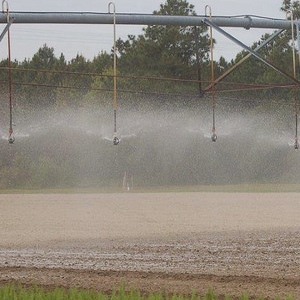
Hydropoint claims that 58% of urban water consumption goes to watering landscapes, even though landscapes are overwatered by 30-300%. Additionally, water costs are increasing by 43% in North America, which means that there is potential for great water and cost savings from water efficient irrigation. A water efficient irrigation system, or reusing graywater or rainwater for irrigation, can cut outdoor water use for landscaping.
Drip Irrigation
Drip irrigation systems save water by irrigating, fertilizing and aerating trees, shrubs, plants and bushes directly at the roots. This requires a shorter watering period, which can conserve between 20-70% of water when compared to traditional irrigation (depending on the system and landscaping). Plus, drip irrigation can promote deeper root systems (which helps prevent erosion) and aid in better fertilizer delivery.
Smart Irrigation Systems
Smart irrigation systems save water by adjusting the watering schedule and amount of water used for irrigation based on a variety of factors and inputs, including weather, plant species, and soil type.
The following smart irrigation systems are currently available on the market:
1. Rain Bird ESP-SMT Smart Irrigation Control System
The ESP-SMT Series from Rain Bird uses historical weather data and rainfall data, plus information about type of plants, soil type, root depth, etc. to adjust the irrigation schedule in each zone of the landscape. The system can cut water use for landscaping by 30-70% using this technology.
It can also take the slope and soil condition into account, and adjust the amount of watering to reduce runoff.
The ESP-SMT series is WaterSense certified, its water efficiency and performance meet the standards of the U.S. Environmental Protection Agency.
Rain Bird’s system retails for about $260 for indoor systems and $290 for outdoor systems. The outdoor system can include up to 13 zones, each with its own module.
2. Hydropoint WeatherTRAK
The WeatherTRAK Smart Sprinkler Evapotranspiration (ET) Controller is a smart irrigation that uses a range of factors, including weather, amount of sunlight, and plant species, to synchronize the irrigation schedule. It determines the weather with a satellite, and can be used for residential, light commercial, and commercial applications. Some systems come with Internet-based controls, management and reporting.
WeatherTRAK systems have been shown to cut water use by up to 59%, and has been proven as the best performing irrigation controller in 23 studies. It can reduce runoff by up to 79%, which prevents adding pollutants to the water supply.
Irrigation with Recycled Graywater or Rainwater
Another way to reduce potable water use is to install a graywater recycling or rainwater catchment systems. Graywater systems collect used water from non-toilet fixtures, such as sinks, showers and washing machines, and reuse it for other applications, such as irrigation. Rainwater catchment systems range in complexity, but generally capture rainwater for reuse in non-potable applications, including landscaping. See our pages on Graywater Recycling Systems and Rainwater Catchment Systems pages to learn more about these water efficiency projects.
 Learn about how LEED addresses irrigation in the Water Efficient Landscaping credit (aka Outdoor Water Use Reduction in LEED v4). Experienced LEED consultant Alex Spilger guides you along the way as you complete this credit by working on an actual LEED project. You'll earn 1 Continuing Education Unit (CEU) in as little as 30 minutes.
Connect.
Find LEED consultants and professionals with green building skills and experience.
Meet Pros.

Learn.
Relevant education and training to consider.


