
Spray Polyurethane Foam (SPF): A Sustainable Insulation Choice?


Choosing safe and effective insulation is a major factor in creating and maintaining energy efficiency in green buildings.
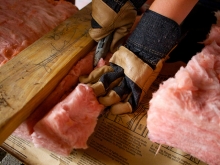
In practice, there are a number of different insulation options for building designers, each with their own associated benefits and difficulties. According to Green Home Guide, the generally accepted forms of insulation by the green building industry include:
- Cellulose
- Cotton
- Fiberglass
- Foam insulation boards
- Spray polyurethane foam (SPF)
- Mineral wool
When deciding on an appropriate insulation product, often the R-value (or the measure of thermal resistance) is the only factor that is evaluated, although other considerations should be made as well. A material with a high R-value has greater resistance to heat flow and therefore greater insulating power. The US Department of Energy has created R-value recommendations for given areas of the US based on the local energy costs for heating and cooling as well as the climate of the area for ease of decision making.
Insulation Tradeoffs
While SPF has the highest R-value of insulation types, it does not measure up when it comes to other factors like, its ability to be recycled, energy used in production, indoor air quality, and ability to maintain its R-value throughout the lifetime of the building.
Other insulations have tradeoffs as well. For example, cellulose has the highest average recycled content of other insulation types, but its R-value tends to decrease over time. Cotton has a similar R-value to cellulose, however the water and pesticide intensive farming practices associated with the crop make cotton less sustainable. Fiberglass is a very good insulator, but the production process is very fossil fuel intensive.
Foam insulation boards and SPF (which has the added benefit of use on small and large projects) have the highest R-values, and therefore save more energy per inch of insulation over the lifetime of a building, but their raw materials include natural gas, petroleum, and ozone-depleting compounds. Mineral wool has a very high percentage of recycled content and is more durable and moisture resistant than cellulose and fiberglass. However, like fiberglass, mineral wool is very energy intensive to produce and may cause some indoor air quality issues.
Spray Polyurethane Foam
In terms of energy efficiency, SPF is the best product for the job. It has the highest R-value, is good for large and small projects, can fit into nooks and crannies for touch-up jobs, and no longer uses hydrochlorofluorocarbon blowing agents. But shouldn’t insulation of a green building take a holistic approach to the sustainability of the building? Is SPF the most sustainable choice for insulation from cradle to grave?
Critics of spray foam argue that its inability to be recycled, energy-intensive production, unknown health affects from indoor air quality issues and flammability risks make it an unacceptable choice for those who are truly concerned about the sustainability of their insulation.
Unfortunately, SPF is made of a limited, non-renewable resource: petroleum. According to the Green Home Guide, this makes SPF insulation impossible to recycle during demolition. Also, the production of SPF requires the burning of fossil fuels in the manufacturing stage, contributing to climate change.
Although manufacturers say, according to testing, once the SPF has dried and expanded after application, the insulation is inert and is no longer harmful to unprotected building users, there have been cases when building users have reported illness and irritation as a result of the spray foam.
SPF is made up of two component liquid chemicals, “Side A” and “Side B,” according to Pharos. Side A is made up of isocyanates, while Side B includes polyol, flame-retardants, and amine catalysts. The risks of exposure to the Side B chemicals are less well known than the risks associated with Side A. The Center for Disease Control and Protection is currently studying the risks of Side B chemicals for worker protection, however no conclusive outcomes have been determined.
Questions About SPF
If certain questions must be asked, such as, “how long does it take to ventilate the application area before building users can safely enter the space?” or “what are the true levels of personal protective equipment workers should use when spraying the foam?” is SPF a product that should be considered sustainable? The Environmental Protection Agency warns that grinding or heating the foam during renovations or building maintenance may generate toxic emissions and compounding this hazard is the lack of knowledge and the need for research on the off-gassing of volatile chemicals from SPF during its lifecycle.
Aside from depletion of natural resources and the harm to indoor air quality, SPF is a known fire hazard. There are two main problems related to SPF fires: combustibility of the foam and toxicity of the resulting fires. According to Bay Systems SPF application guidelines, during SPF application, an exothermic reaction occurs causing an extreme amount of heat, therefore spraying foam too thickly can cause foam to char, smolder, or burn. The Pharos Project cites these fires as the cause to several horrific deaths of insulation workers. Fires involving SPF may release isocyanates, hydrogen cyanide, amines, and other toxic chemicals. Indeed, these chemicals are so toxic that fire departments must take special protection by using respirators when fighting polyurethane fires.
Final Thoughts
As an insulation tool, SPF is unbeatable and has become ubiquitous in many environmentally friendly buildings. But, as a product that fits in with a holistic approach to green building and sustainability in general, there are safer choices. As with all new innovations, looking at a product at various points including extraction, production, implementation, purpose and disposal is truly necessary to determine if the product aligns with sustainable goals. In this case, SPF has not been researched thoroughly enough to be considered safe, and even with proper safety precautions, it may not be a sustainable choice for insulation.
Connect.
Find LEED consultants and professionals with green building skills and experience.
Meet Pros.


Learn.
Relevant education and training to consider.
News.


Why join Poplar Network?

- Learn about green building
- Save on LEED exam prep
- FREE continuing education
- Join the conversation
- Connect with peers