
Funky Fungi: Are Mushrooms the Insulation for Your Next LEED Project?


Instead of fiberglass, cellulose or spray foam, you might want to opt for Ecovative Designs’ living mushroom insulation for your future LEED or green building projects. With high thermal properties and no VOC emissions, it’s a genius invention.
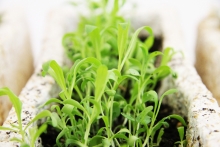
Mushrooms are an often overlooked, misunderstood bit of living matter. But we’re continuing to learn of their incredible and dynamic purposes. From improving the complexity of a meal to augmenting natural decomposition, and now, for their application as a construction material replacement.
Ecovative Designs took home second place in the 2013 Cradle to Cradle Product Innovation Challenge with their groundbreaking fungi alternative to traditional, more hazardous insulation.
Insulation is one of the most critical components to any green building or LEED project simply because energy efficiency represents the low hanging fruit for economic payback, and is often the foremost concern of environmentally minded builders who seek to reduce energy consumption. With high initial investments in energy efficiency HVAC design and equipment, it only makes the most sense to strive for the products and designs offering the highest R value. But the type of insulation used can also impact indoor air quality. Unfortunately, many of the standard insulations in use today can pose potential health risks and are limited in their scope of sustainability and environmental friendliness. Consideration of these factors and the emission of VOCs are also of utmost importance for LEED IEQ credits.
For instance, fiberglass insulation, which is currently in 90% of all American homes, can cause instant irritation upon contact with skin, and the longterm impacts associated with breathing in fiberglass shards have yet to be fully explored.
But Ecovative Designs went back to their roots - literally - to create a cutting-edge alternative to the cellulose, fiberglass, and spray foam products currently on the market. Ecovative’s insulation solution uses mycellium (the fancy term for “mushroom roots”), which grows and simultaneously bonds agricultural products like corn stalks together. In just a few days, the living insulation is able to fill the space in a wall mold - or directly between the walls themselves - with one solid mass that cures to an airtight product in roughly 3-4 weeks.
But the efficacy of the insulation's properties isn’t the only aspect of the mycellium insulation that is attractive to green builders. The cured insulation is so strong that is can actually replace certain building materials like studs, consequently cutting down on construction costs. What’s more, Ecovative Insulation is also naturally fire resistant and fully biodegradable. Plus, the concern over VOC emissions is essentially nonexistent as the solution is completely chemical free.
Want to learn more? Check out their proof-of-concept blog, Mushroom Tiny House! And while you’re surfing the web, be sure to look into Cradle to Cradle Innovation Institute, if you’re not already familiar. They’re a significant LEED ally, continuously promoting the development of products that are achievements in environmental sustainability. Their Products Standard certification is an effective measure of the social and environment impact of product manufacturing.
Connect.
Find LEED consultants and professionals with green building skills and experience.
Meet Pros.


Learn.
Relevant education and training to consider.
News.


Why join Poplar Network?

- Learn about green building
- Save on LEED exam prep
- FREE continuing education
- Join the conversation
- Connect with peers