
Does Spray Foam Insulation Cause Cancer?


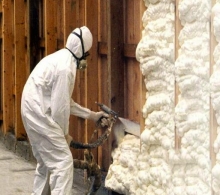
Spray Polyurethane Foam insulation, also known as SPF, is made up of two component chemicals, isocyanate and polyol resin.
According to the Occupational Safety and Health Administration (OSHA), the answer may be yes.
Powerful Insulating Properties
Spray Polyurethane Foam insulation, also known as SPF, is made up of two component chemicals, isocyanate and polyol resin. The two chemicals are separated in the two-component high-pressure system until they come together at the very tip of the applicator gun to form expanding foam at the site of application. SPF has the highest R-value (measure of insulation ability) of any insulation method currently on the commercial market. The product helps to reduce wasted energy and lower home energy bills. In addition to these benefits, SPF qualifies for many state and federal tax deductions.
 Dangers of SPF
All of these benefits make SPF sound like a winning insulation plan, right? Perhaps not. SPF is linked to cancer risks for people in the application process and also for firefighters who are exposed to SPF fumes related to house fires.
OSHA warns against exposure to the component chemical, isocyanate, in SPF. Compounds in isocyanates are classified as potential human carcinogens and known to cause cancer in animals. The risks of exposure to isocyanate are so high that OSHA even started a new National Emphasis Program to protect workers from the serious health effects from occupational exposure to isocyanates this summer.
Dr. David Michaels, Assistant Secretary of Labor for Occupational Safety and Health said, “Workers exposed to isocyanates can suffer debilitating health problems for months or even years after exposure.”
Another of the major concerns related to SPF-caused cancers is at the tail end of the SPF lifecycle. When burned, SPF is no longer inert and creates toxic fumes. Since the rise of SPF as a popular insulation in homes, there has also been an increase in cancer in firefighters, specifically transitional cell carcinoma, a cancer of the urinary systems that historically is linked to workers in the industrial chemical business. As the body absorbs carcinogenic chemicals like isocyanates, the chemicals are transferred to the blood, filtered out by the kidneys, and expelled from the body through the urine. Greater concentrations of chemicals in the urine can damage the lining of the bladder and increase a person’s odds of developing transitional cell carcinoma.
In one case, a very healthy and physically fit firefighter, Tony Stefani, developed transitional cell carcinoma. With no history of cancer in his family and never having smoked cigarettes in his life, the only explanation the doctors could provide for him was exposure to industrial chemicals. Within two years of his diagnosis, two colleagues developed the same cancer. In the wake of these health problems, Stefani began studying cancer in firefighters and found that in 774 retired firefighters, nearly one out of three reported some kind of cancer. Although at this point it is impossible to show the scientific cause and effect of SPF and cancer in firefighters, the connection is quite compelling.
Although SPF provides some undeniable environmental benefits as an insulator, it also provides some potential significant health risks in the form of cancer. In this case, the health risks outweigh the energy savings.
Do you believe SPF should be eliminated from insulation projects?
Connect.
Find LEED consultants and professionals with green building skills and experience.
Meet Pros.


Learn.
Relevant education and training to consider.
News.


Why join Poplar Network?

- Learn about green building
- Save on LEED exam prep
- FREE continuing education
- Join the conversation
- Connect with peers