
Should You DIY a Green Roof?


Green roofs can be an asset to any LEED or green building project... But is a green roof a DIY project for a green home... or should you consult a specialist?
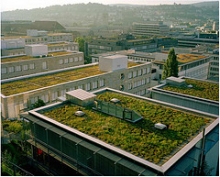
Do It Yourself projects can be very tempting. And when it comes to saving energy, adding beauty and mitigating the environmental impact of my house, I’m always a proponent for “getting it done!” That said, green roof projects require contemplating the structural elements of your home or building and it’s best to be particularly cautious.
While a green roof can be a fantastic asset to your real estate, putting one on by yourself might not be the best idea.
Green roofs are divided in two classes:
- Extensive: six inches or shallower (common)
- Intensive: deeper than six inches (less common)
In an Extensive Vegetative Roofs article for Whole Building Design Guide (WBDG), Professional Engineer and advisor for the Center for Green Roof Research at Penn State Charlie Miller states, “The most common vegetated roof cover in temperate climates is a single un-irrigated 3- to 4-inch layer of lightweight growth media vegetated with succulent plants and herbs.”
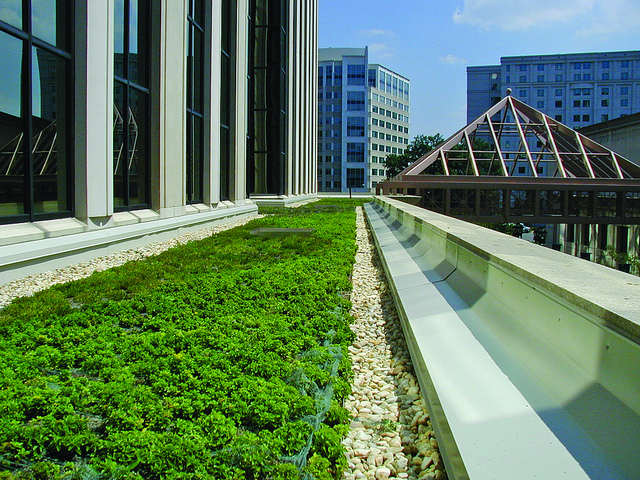
Both the Center for Green Roof Research and Miller’s green roof firm, Roofmeadow, are great resources for more detailed information. You might also consider information from the nonprofit network, Green Roofs for Healthy Cities, which consists of both public and private entities and individuals who are dedicated to developing a market for green roof infrastructure products and services throughout North America. If you’re truly itching for the DIY experience, though, head over to Greenroofs.com, where you’ll find some smaller green roof projects.
Green Roof Weight
When considering the structural impact of a green roof, the most important factor is weight. Specifically what's called "wet weight", which is the weight per square foot of the organic infiltration and plant media when it is fully saturated. The wet weight can vary significantly from as little as 6 lbs per square foot to over 30 lbs per square foot based on materials used, depth of filtration media and plants. Among green roof products, I’d recommend looking into Grid Products, which also has non-roof applications. The GreenGrid system weights are as follows:
- 2.5-inch module = 11-13 lbs/sf. (wet)
- Standard 4-inch module = 18-22 lbs/sf. (wet)
- New G3 4-inch module = 21-25 lbs/sf. (wet)
- 8-inch module = 36-44 lbs/sf. (wet)
But, before you’re off and running, let me circle back to my initial statements of caution. Even if you are insistent on a DIY approach, consider first arranging a call with a structural engineer or – better yet – hire them for consultation, to ensure that your plan will not negatively impact the soundness of your roof.
As an extra step of protection, and likely to boost the positive impact of your green roof itself, consult with a landscape designer who is experienced with native and adapted vegetation.
Finally, to learn more about the cost of a residential green roof, here’s your next stop.
(Photo credit: Arlington County via Flickr)
Connect.
Find LEED consultants and professionals with green building skills and experience.
Meet Pros.


Learn.
Relevant education and training to consider.
News.


Why join Poplar Network?

- Learn about green building
- Save on LEED exam prep
- FREE continuing education
- Join the conversation
- Connect with peers