
What Does a Green Roof Cost for a Residential Project?


Green roofs are celebrated by LEED, but when it comes to residential projects specifically, there are increased costs. Get the critical info you need here to make an informed decision.
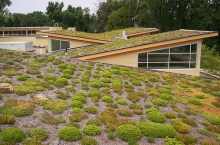
Green roofs can be a fantastic solution to multiple challenges by mitigating the heat island effect, improving building energy performance, facilitating stormwater management, and creating a more visually-appealing aesthetic. Yet, for as many benefits as a green roof offers, there are a seeming equal number of complexities when it comes to determining the cost. The reason is simple: each green roof project is unique.
For residential projects, the construction of a green roof will depend on multiple variables, including:
- Geographic location
- Green roof thickness
- Materials
- Provider/installer/brand
- Roof size
- Tax incentives (if any)
Some countries, states and cities have economic incentives in place to encourage the installation of green roofs.
Typically, the cost of a green roof, including the membrane, varies from $10 to $25 per square foot or $108 - $269 per square meter in the U.S. (One square meter = approximately 10.76 square feet). More sophisticated alternatives, and certainly those that are equipped for commercial buildings, can cost as much as or even more than $100 per square foot or $1075 per square meter.
In New York City, specifically, the average cost of a green roof is approximately $18-$20 per square foot. However, the City also offers a tax credit incentive of $4.50 per square foot of green roof area, or approximately 20% of the average costs associated with materials, labor, installation and design.
In the past, certain cities like New York and Philadelphia have offered one-time property tax incentives for building owners who utilized a majority of their available roof space for green roofs. Unfortunately, such programs have expired and were not renewed. Nevertheless, it’s always a good idea to check your individual state’s tax credits to identify any economic incentive opportunities.
Germany has aggressively supported the green roof movement with economic incentives and, consequently, the cost of green roofs are quite low and the market is widespread. Unfortunately, for residential properties in the US, though, there are two dominant challenges that work against your ability to acquire a low cost solution:
- Because residential green roof installations have less space than a commercial project over which to spread the cost of installation, the price per square foot is naturally higher.
- The cost savings of a residential building are lower than in a commercial setting and, consequently, the return on investment (ROI) is more difficult to justify.
However, despite these challenges, a green roof for a residential property is always an option. But because a roof is vital to both the safety and longevity of a building, it’s essential to work with a reputable green roof manufacturer and installer.
Connect.
Find LEED consultants and professionals with green building skills and experience.
Meet Pros.


Learn.
Relevant education and training to consider.
News.


Why join Poplar Network?

- Learn about green building
- Save on LEED exam prep
- FREE continuing education
- Join the conversation
- Connect with peers