
Seal the Deal on Concrete Floors with the Right Aesthetic


Concrete floors aren’t nearly as drab as they used to be, but finding the right sealer is key to the perfect aesthetic. Make the spaces beneath your feet pop with this eco-friendly material.
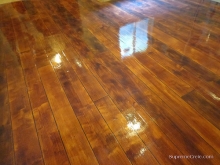
When the average person thinks of a concrete floor in their home, they imagine a cold, hard surface and consequently shudder... But I dare say that concrete is like the awkward kid in high school who got in trouble once and forever suffers from a bad rap. The truth is that concrete can actually be a particularly viable – and attractive - option for interior flooring. And as far as LEED certification goes, it’s a fully acceptable method so long as the sealant used does not emit VOCs higher than the limits laid out in SCAQMD Rule 1113, for Architectural Coatings.
Benefits of Concrete Floors
The perks of concrete are plentiful. It’s easy to manage and clean, as its nonporous surface makes it less bacteria and dander friendly than many carpet alternatives. Also, radiant heat options mitigate the longstanding issue of coldness. Simultaneously, this combination can offer a more sustainable heating option as detailed in this article about solar thermal and radiant heat combinations.
While once banished to just an uninspiring gray color, today’s concrete is available in a number of stains, dyes and overlays, each providing a dynamic array of choices that work with any interior design – from modern to old world.
Eco-Friendly Concrete Sealants
But, arguably, even more important than the actual color of the concrete is the sealant itself – for many reasons. After glancing at just a few example pictures, it’s apparent that the sealant has a dramatic impact on the entire tone of a space. Below is a simple guide for finding the visual that works best for your green building or LEED project.
High gloss: a polished concrete is ideal for a highly modern space with an open floor plan in which the empty space itself needs to be highlighted. (Note: polished concrete is actually achieved through a physical alteration of the concrete itself and not through a sealant).
Medium gloss: wet look concrete is versatile enough for any space, adding a light sheen that is attractive without overpowering the room.
Matte: perfect for more intimate spaces, low gloss is the ideal option for intentionally understated floors.
If you’re looking for additional information on concrete floors (or countertops or fireplaces or pavers or almost anything else imaginable that you can create with concrete), I highly recommend heading over to Concrete Network. They have dozens of resources to help you make the most informed choices of this versatile and eco-friendly material.
Connect.
Find LEED consultants and professionals with green building skills and experience.
Meet Pros.


Learn.
Relevant education and training to consider.
News.


Q&A.


Why join Poplar Network?

- Learn about green building
- Save on LEED exam prep
- FREE continuing education
- Join the conversation
- Connect with peers