
Cork Flooring: Ideal for Green Nursery and Playrooms?


Cork is all natural, soft and available in a number of shades. It just might make the perfect home flooring addition for your new little addition!
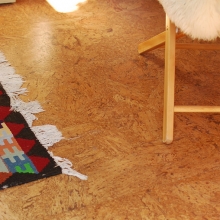
When designing a room for the curious, often haphazard activities of a young child, choice of flooring immediately springs to mind as a pillar of personalized decor. Of course, you’ll want something durable that can tolerate spilled drinks or dropped toys, but you’ll also require a solution that is soft and inviting. So, what a reasonable solution between the two? Simple: cork.
Rapidly Renewable
Cork has come a long way as a viable flooring alternative in the last twenty years. This dynamic product is made from stripping the outermost layer of bark from the cork oak tree, which is grown in the Mediterranean region. This stripping process cannot begin until the tree is 25 years old and, once done, can only be repeated every nine years. In other words, unlike traditional wood floor harvesting, the cork tree does not have to be cut down to create a finished product.
Color Options
While once it was available in only a few shades of rather unsightly brown, it can now be found in practically every color to complement a creative, inspiring color pallet for your little one’s imagination. Likewise, its installation has never been easier. Many manufacturers rely on either snap-together panels that require no glue or nails (floating floor) or simple glue-down tiles. Neither present any major installation challenges, though the latter is admittedly more time consuming.
But that’s hardly the end of this natural material’s benefits. Let your little one truly thrive in a cork floored space thanks to these additional perks:
- Cork is naturally fire resistant.
- It can be easily repaired if damaged.
- It naturally fights mold, mildew, bacteria and mites.
- It is easy to maintain and clean with cork- or wood-specific cleaners.
- Pollen and other allergens are not absorbed by cork.
- Its unique cell structure provides a cushiony surface for walking - or crawling!
- It is an anti-static surface.
- It’s a natural insulation source, improving your homes energy efficiency.
- It absorbs ambient noise to reduce sharp sounds (like dropped toys).
Cork Caveats
While I openly champion this flooring product for much of your interior space, let alone a child’s room, there are a few minor caveats worth mentioning. First, given cork’s natural growing locale, it does have to be shipped across the pond to make it’s way to your home in the US - so keep in mind the energy expenditure there. Secondly, cork should not be used in any areas of high moisture, like bathrooms, laundry rooms or (possibly) basements. Finally, cork is a highly porous material, and can be irreversibly damaged by liquids left on its surface for any length of time. Juices especially with harsh color additives will generate stains that cannot be removed and will, consequently, require sectional repairs.
Connect.
Find LEED consultants and professionals with green building skills and experience.
Meet Pros.


Learn.
Relevant education and training to consider.
News.


Q&A.


Why join Poplar Network?

- Learn about green building
- Save on LEED exam prep
- FREE continuing education
- Join the conversation
- Connect with peers