
Is Repurposing with MRc3 Right for Your Project?


The LEED credits from MRc3 can be easy to tackle, but only if you have these two components. Read on to see if repurposing is in your design's future!
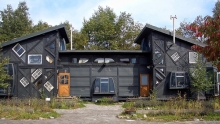
Pursuing the two LEED credits available through MRc3 requires both a special project and a particular knack. If you have both, tackling the credits can be a no brainer, but if your missing either one, it may not be worth the frustration.
The Project: To receive both of the two available credits, builders must achieve reused materials content of 10% or more, by cost. Naturally, the greater the gross expenditures of the project, the more difficult this becomes as the total salvaged materials must grow by an equal ratio despite design requirements, limited material availability and/or increased costs. In other words, core and shell designs, as well as schools, often face many mandated stipulations that directly challenge the aspect of incorporating significant portions of salvaged material into the structural design due to potential efficacy and safety issues.
Consequently, projects that are particularly well suited for MRc3 are smaller designs and, most frequently, those being built as residential. In some situations, a smaller core and shell project may also be appropriate, but it depends on the regulations surrounding the future occupants’ industry and anticipated traffic.
The Knack: Achieving MRc3 credits also takes particular planning because salvaged materials are not always readily available and, as a result, cannot just be ordered at will. Due to such limited supply and often a very myopic demand, the developer typically spends months or years ahead of time seeking out the perfect reusable, or “upcycled,” goods that fulfill a specific need through a creative repurposed function. Too, a thorough understanding of the materials sought is required as there is the potential for introducing salvaged materials into the project that are actually counterproductive to energy efficiency. As a prime example of this dynamic process, consider The Bronson Pinchot Project, DIY Network’s chronicling of a lengthy residential preservation venture that relied heavily on repurposed and recycled materials. Another interesting example and constructive critique is covered by Lloyd Alter at Treehugger in his coverage of "Upcycle House".
What’s more, for design aspects that will be visible in the end product, many would argue that tactful repurposing is a true art. Identifying and incorporating the right pieces in a way that generates a charming aesthetic requires thorough planning, more than a modicum of imagination, and connections to the world of salvaged home construction or specific projects from which you can pull materials. Some suggested components for repurposing include doors, cabinetry, and fixtures like sinks and tubs. Resources like Dwell, Houzz, and Pinterest can be fantastic sources of visual inspiration.
Keep in mind this critical info though: According to the LEED BD+C 2009 Reference Guide, recycled materials salvaged offsite and those salvaged onsite for different purposes are completely applicable for MRc3. However, those salvaged onsite and used for the same purpose as what they were initially used for can only be applied to MRc1.
LEED v4 takes green products to the next level.
Learn about how Environmental Product Declarations (EPD) and Life Cycle Analysis (LCA) affects your green building product marketing process in this FREE training course for Poplar members.
Connect.
Find LEED consultants and professionals with green building skills and experience.
Meet Pros.


Learn.
Relevant education and training to consider.
News.


Q&A.


Why join Poplar Network?

- Learn about green building
- Save on LEED exam prep
- FREE continuing education
- Join the conversation
- Connect with peers