
Commissioning as a Key to LEED Risk Management


A commissioning agent provides verification and ongoing guidance for LEED projects, not only improving project performance, but also managing risk.
While not akin to playing Black Jack, green building risk is what they call "speculative", meaning that the risk of owning and operating a LEED property carries with it the opportunity for both gain and loss.
As LEED professionals, we're aware of the gains.
Indeed, LEED is heavily marketed as providing many benefits to building owners, from reduced energy and water costs, to improved occupant health and productivity. But what about the potential for loss?
While managing downside risk can seem daunting and costly, it's often worth the extra effort. Commissioning offers protection and management of risk in a world where engineers, technicians, contractors and LEED consultants sometimes make mistakes.
What is Commissioning?
In essence, commissioning is the hiring of an objective third party referee who watches over all of the LEED building’s moving parts to ensure that things are operating and performing they way they should.
According to Dr. Evan Mills, a staff scientist at Lawrence Berkley National Laboratory (LBNL):
“The aim of commissioning new buildings is to ensure that they deliver – if not exceed – the performance and energy savings promised by their design” and commissioning is “a systematic, forensic approach to improving performance, rather than a discrete technology.”
By having a third party whose job it is to solely focus on the performance of the project, a building’s systems and equipment tend be more efficient.
In other words, expectations across the board are maintained with the utmost care because of the inherent checks and balances system that commissioning puts in place.
Commissioning Reduces Risk
USGBC recognizes both the short term benefits and potential long term value in commissioning. As such, commissioning is not only a requirement in LEED v4, as it was in LEED 2009, but continues to be an opportunity to earn additional points toward LEED certification in the EA Enhanced Commissioning Credit, which may be well worth the incremental cost.
The commissioning agent (CxA) works to mitigate risk by keeping everyone – from property owner to subcontractors - on the same page for the duration of the project.
However, commissioning may offer the greatest ROI in the areas of mission critical facilities and human health.
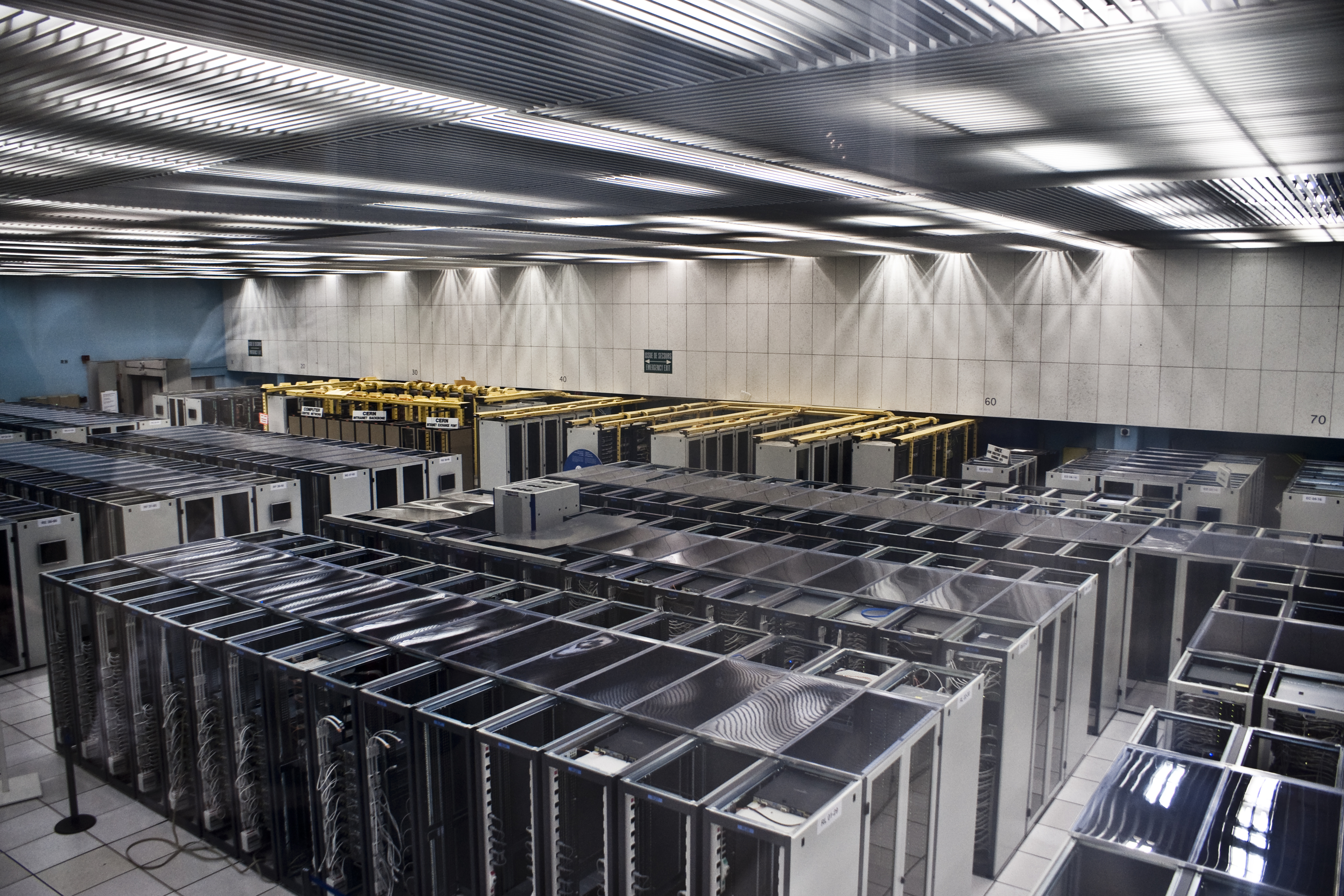
Companies such as Google, with massive energy intensive facilities and data centers, benefit from commissioning in the form of reduced risk of information technology (IT) failure or downtime caused by poor performance by air cooling equipment, faulty calibration or a lack of proper maintenance procedures.
Building occupant productivity, perhaps the greatest opportunity for ROI in green buildings, can be enhanced by commissioning where measuring a monitoring of indoor contaminants, such as CO2, radon, and combustion byproducts (such as CO) is calibrated and maintained properly.
LEED Prerequisite and Credit
In the LEED BD+C rating system, at the prerequisite level in LEED v4, "Fundamental Commissioning and Verification" requires that the preliminary energy-related systems analysis and water budget analysis be included in the Owner's Project Requirements (OPR) and Basis of Design (BOD).
This helps the commissioning authority (CxA) understand the process and criteria used to design the building's systems.
Earning the "Enhanced Commissioning" credit requires a CxA with proven experience on several LEED building projects for at least 10 months of building occupancy, in addition to following one of two compliance paths:
Path 1: Enhanced Systems Commissioning (Option 1) and/or Path 2: Envelope Commissioning (Option 2).
Under LEED O+M, two possible points are available via existing building commissioning through a thorough evaluation and update of the existing plan.
Two additional points are available through the implementation of those plan updates to critical building systems including HVAC and R, domestic water heating, and renewable energy.
During such renovations, a formal tracking and verification program for each project is required, with a subsequent update to the operations and maintenance plan in accordance with such improvements.
Sustainability Risk Management Certificate Program

The Sustainability Risk Management (SRM) Certificate program with Stephen Bushnell is designed for professionals in the insurance, green building and sustainable business fields who want to learn about the important and changing landscape of green risk and enterprise risk management. The program provides a framework and strategy for identifying, evaluating and mitigating the challenges arising at the intersection of risk and sustainability.
Connect.
Find LEED consultants and professionals with green building skills and experience.
Meet Pros.


Learn.
Relevant education and training to consider.
News.


Why join Poplar Network?

- Learn about green building
- Save on LEED exam prep
- FREE continuing education
- Join the conversation
- Connect with peers