
Smart Irrigation: Defining or Dangerous for Viticulture?


The process of winemaking is unquestionably dynamic, steeped in history and tradition. So are agricultural advancements like smart irrigation in LEED a threat to viticulture?
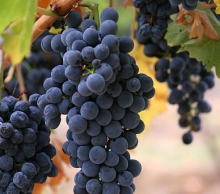
Viticulture, or the science of making wine, is a delicate process. Indeed, it is arguably dictated by a harmonious balance of intricate, centuries-old knowledge and the vine’s own will to succeed. Today, however, both are being affected by cutting edge technology, as some winemakers around the world look to scientific advancements to develop higher yields and improve quality despite stronger fungi, changing climate and evolving policies.
In the last five years, smart irrigation applications have slowly crept up in different vineyards, making some wonder if vintners are on the cusp of a powerful new level of control over the grape - and what the efficacy of such power will be.
Traditionally, grape vines were freestanding, their development hinging primarily on random probability of the environmental conditions. It wasn’t until the 1930’s that trellises made their way onto the scene, and even then it was another forty years before drip irrigation lines became popular. Since drip irrigation's initial introduction, the topic has become something of a hot button issue for those in the world of delicious, collectible libations.
Many European Union countries have banned vineyard irrigation, staking the claim that it unethically alters a centuries-old artistic agriculture process. However, Spain recently lifted their ban and France’s wine authority has also been reconsidering its stance. In the U.S., no such rules apply, leaving the choice up to the individual grape grower’s discretion.
For those vineyards outside geographic areas with such stringent rules, the irrigation options have recently become considerably more interesting with the advent of smart irrigation.
Smart irrigation uses delicate sensors in the vine canopy to measure variables critical to vine success - humidity, wind, temperature, UV levels. Additional sensors are placed directly in the ground at multiple levels to monitor soil moisture, temperature, and water penetration depths. These metrics are then sent to a data-gathering weather station, which automatically signals an appropriate irrigation response to the input and also provides quantitative results to the vineyard management team.
The impacts of such systems, both in regard to the energy savings and the development of the grape, have yet to be fully realized. In 2012, the Napa Valley vineyard of Kendall-Jackson and another in Pontevendra, Spain took part in separate pilot programs testing the technology - but the results have many anxiously waiting, nonetheless. If smart irrigation technology can provide even an incremental advantage in such a sensitive production process while also cutting energy costs, the potential applications are immense.
 Learn about how LEED addresses irrigation in the Water Efficient Landscaping credit (aka Outdoor Water Use Reduction in LEED v4). Experienced LEED consultant Alex Spilger guides you along the way as you complete this credit by working on an actual LEED project. You'll earn 1 Continuing Education Unit (CEU) in as little as 30 minutes.
Connect.
Find LEED consultants and professionals with green building skills and experience.
Meet Pros.


Learn.
Relevant education and training to consider.
News.


Why join Poplar Network?

- Learn about green building
- Save on LEED exam prep
- FREE continuing education
- Join the conversation
- Connect with peers