
Layered Lighting Design 101: Producing a More Complex, Dynamic Design


Every lighting design deserves layers; Here’ s a straightforward guide to help you get started!
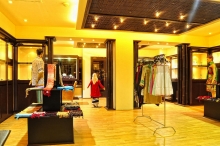
Whether a commercial or residential space, effective lighting design for any interior requires a commitment to layering. By using different types of lighting to emphasize, attract and highlight certain aspects of the space, while considering energy efficiency, you can create a dynamic environment that is inviting, productive and appropriate for LEED certified projects.
Ambient:
When you walk into a room, what’s the general feel as prescribed by the lighting? This is your ambient lighting. The most basic of light design, ambient lighting provides the space’s overall luminescence and is usually derived from one central source. I strongly recommend incorporating dimmer switches on all lighting, but especially so for your ambient light sources as they’ll be the predominant sources of mood lighting.
Task:
Placement of task lighting requires an intimate knowledge of what occupants will typically be working on and where they will be doing so. For instance, in an office, task lighting is used to provide extra illumination on a desk, while in a kitchen it’s used to provide more visibility to commonly used counter space. Recessed, pendant and track lighting are most frequently used to accomplish this, but floor and desk lamps may also be used.
Accent:
Exceptionally placed lighting is becoming increasingly common in new construction, allowing certain interior aspects to be highlighted as decorative focal points. Interior architecture, plants, cabinetry or artwork may all be emphasized with wall sconces, recessed lighting or other specialty lighting. Such decorative lighting can sometimes be the most challenging because it typically garners little direct attention but has the potential for incredibly dramatic effects on a space’s style.
Whatever the lighting design, consider investing in LEED-favored LEDs in place of incandescent and fluorescent bulbs. In addition to their reduced energy consumption and increased durability, LEDs also allow designers to be more selective in the color temperature of their lighting design. This link offers a great photo guide for the progressive difference from warm to cool whites.
Keep in mind, too, that smart lighting alternatives exist to help improve the cohesiveness of inhabitants’ lifestyle and lighting availability. Consider perusing this article to learn more about innovative light control technologies that will improve the livability and sustainability of your next interior lighting design.
Connect.
Find LEED consultants and professionals with green building skills and experience.
Meet Pros.


Learn.
Relevant education and training to consider.
News.


Why join Poplar Network?

- Learn about green building
- Save on LEED exam prep
- FREE continuing education
- Join the conversation
- Connect with peers