
A Bright Look at LEED SSc8: 8 Ways to Reduce Light Pollution


Light pollution is creating unprecedented challenges for Earth and its inhabitants. Increase your odds of acquiring the SSc8 LEED credit with these 8 facts under your belt!
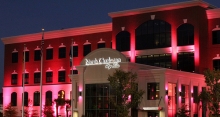
The average person may not think about the havoc that nighttime lighting can cause, but as a LEED professional, it’s probably in your nature. That said, whether you're working with LEED 2009, or a new LEED v4 project, where the rules for light pollution reduction have changed slightly, conveying this information to those who are not in the know can be a challenge, especially given the detailed nature of executing and understanding a LEED-required light trespass analysis.
The light pollution reduction credit has always been a bit of a bear, so here’s a quick roundup of talking points when discussing LEED 2009 SSc8 light pollution reduction and simple steps for mitigating the impact of both interior and exterior lighting, whether you’re dealing with an EB or NC design.
- Know the Damages: The more educated you are on this topic, the more effectively you can convey the harmful realities of the unnecessary light we’re expounding on the night sky. Billions in wasted energy, inhibited animal migrations, increased smog, and even melatonin suppression in humans are all harmful aspects worth mentioning.
- Love Smart Light Technology: From motion sensors on external emergency lighting to interior dimmer switches, there are myriad ways to make sure that the only lights on are the lights that are actually necessary!
- Use LEDs: When it comes to reducing light pollution, LEDs are worth the investment. Not only do they last up to five times as long as CFLs, but they do so with up to 50% improved efficiency. What’s more, their lumens do not fatally attract certain insects the way certain CFL and most incandescent bulbs do.
- Minimize Landscape Lighting: Landscaping is a costly component of the design of a structure and, naturally, owners wish to show it off upon completion. However, the overuse of landscape lighting is extremely wasteful and may actually be harming the very plants you’re trying to protect!
- Get Friendly with the Power Company: Your client might be paying for that streetlight outside their house! Call the local power company to learn the realities of the situation and, even if they’re not paying, ensure that the light being used is LED and either “full cutoff” or “full focused” to reduce glare.
- Do a Little Trig: When it comes to the appropriate lighting and glare reduction, it’s all about angle. Glare should never rise above the horizon, or a 180 degree line from the lighting source. If you’re going for LEED credits, you’ll need to cozy up to some basic trig functions.
- Support Dark Night Policies: Find out if your city or state is considering any dark night or light pollution reduction policies, or if local organizations are holding events to promote awareness. If so, get out there and show your support!
- Yellow & Red Spectrums: Not all energy efficient bulbs are created the same. When choosing the appropriate Kelvin number, remember that those bulbs with red and yellow spectrums are far less obtrusive to animals.
For more information on light pollution, consider the Public Broadcasting Station (PBS) documentary The City Dark: Addressing Light Pollution. A SXSW award winner, this short film gets to the core of what unnecessary light glare is really doing to our planet and why taking the time to maneuver through the necessary calculations and design of SSc8 is so critical.
Connect.
Find LEED consultants and professionals with green building skills and experience.
Meet Pros.


Learn.
Relevant education and training to consider.
News.


Why join Poplar Network?

- Learn about green building
- Save on LEED exam prep
- FREE continuing education
- Join the conversation
- Connect with peers