
Greening Existing Buildings, Stakeholders and their Roles


We live in existing structures, the built environment is our present, while most new construction is made up of green buildings.
We are heading for a greener, more sustainable future. This should prompt us to realize the importance of sustainability in existing buildings.
The importance of greening existing buildings versus the importance of green new construction is debatable. While it is a comparison that may seem strange, it is a comparison to question the greatest impact on our lives - our present and our future.
New construction can yield carbon savings compared to conventional buildings, but it will never match the savings of retrofitting existing building in terms of energy efficiency as a percentage.
Who are Stakeholders?
Stakeholders are all of the people who have an interest or any relation with the building... this includes owners of the facilities, occupants, visitors, designers, contractors, marketers, and more! Such stakeholders should all participate in improving sustainability in the building, as a diverse team can be a major factor in success.
A variety of disciplines can create more in-depth knowledge of any strategy and issue that needs action.
An integrated design approach is what creates the harmony between stakeholders and their environmental goals and enables stakeholders to be able to understand the tools and strategies that can ensure the successful implementation of sustainability.
LEED Existing Building Operations and Maintenance is a rating system that consists of a set of strategies included in the credit system. The system values the efforts of the stakeholders and enables them to achieve optimal performance for their building in terms:
- Improving energy efficiency
- Reducing water consumption
- Enhancing storm water management
- Testing and improving indoor air quality
- Standardizing and documenting green operations and maintenance practices
- Improving thermal comfort
- Achieving the best waste management practices
Stakeholders should mainly consider community strategies like raising public awareness about the benefits of having a greener built environment, encouraging non-profit organizations to take part in social activities promoting sustainability, and sharing green strategies and practices.

Occupants and building visitors can advance sustainability in their community and their work, engage in public speaking, organize events, and recruit volunteers.
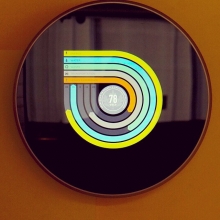
LEED EBOM has made it easier for occupants to engage in green building practices by offering the LEED dynamic plaque.
It has the ability to transform the way people are thinking while monitoring their progress and achievements and to add value to their volunteering campaigns by creating results right before their eyes. The Dynamic Plaque is being used by new and existing buildings to provide real time performance feedback akin to the "Prius Effect".
Benefits of having such measures and strategies applied should be communicated to every day users of a building as part of the results. No one will get involved without understanding the real advantages of the whole process.
Because people spend 90% of their daily activities indoors, indoor environmental quality proportions can help by:
- Improving thermal comfort
- Indoor air quality
- Humidity levels
- Controllability over task lighting
- Cleanliness of HVAC systems
- Management in general
Be part of the development... don’t just watch it happening from a distance.
As long as you are part of the community, you have to participate and help it out. It’s a responsibility for all of us.
Connect.
Find LEED consultants and professionals with green building skills and experience.
Meet Pros.


Learn.
Relevant education and training to consider.
News.


LEED AP Exam Prep


Free Tools

Why join Poplar Network?

- Learn about green building
- Save on LEED exam prep
- FREE continuing education
- Join the conversation
- Connect with peers