
Fuel Cell Cars: Are They Really Just Rubbish?


Hydrogen fuel cell vehicles have been discussed for more than two decades, but their entry into the mass market has been nonexistent - until now.
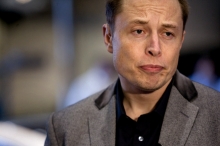
During a presentation at a Tesla’s service center in October, CEO Elon Musk generated considerable buzz after labeling fuel cell vehicles “dangerous” and “rubbish” in particularly colorful language. He openly questioned the responsibility of car companies that were pursuing the concept, suggesting that they were putting marketability above safety and real environmental concern.
But car manufacturers aren’t batting an eyelash at Musk’s or others’ open criticism of the technology. In fact, Hyundai recently announced that they plan to begin leasing fuel cell versions of their Tucson SUV in March or April of 2014. Similarly, Toyota and Honda have been touting fuel cell cars at auto shows, hinting at expected product launch dates of early 2015. The sleek, almost futuristic-looking FCEV Concept from Honda had everyone talking at the Los Angeles Auto Show last week. And while these vehicles certainly are not the first of their kind, they do mark a turning point in the industry.
Just last week, Forbes’ Neil Winton contributed this article casting doubt on the suggested unreliability of fuel cells and, instead, downplaying the anticipated marketshare of batter-powered vehicles. “The case for hydrogen is powerful,” he writes before suggesting, “...this renewed attack on fuel cell cars by battery-powered advocates might mean they are worried.”
That fuel cells are finally starting to gain real credibility, after more than a decade of hype, is a testament to the growing share of the consumer market that is willing to make a larger initial investment for longterm return. Toyota’s proposed fuel cell operated vehicle is expected to cost roughly $100,000 when it hits the market, but the zero-emission vehicle will be able to travel up to 300km on a single hydrogen tank fill-up. What’s more, the fill-up process which has been a notable market barrier for battery-powered electric vehicles due to time constraints, will take a mere 10 minutes.
Perhaps the biggest takeaway from all of this is the door that will open for further hydrogen fuel cell application research. The investment opportunities signaled by the initial PR and subsequent market results of the such launches will undoubtedly reverberate around the world.
Connect.
Find LEED consultants and professionals with green building skills and experience.
Meet Pros.


Learn.
Relevant education and training to consider.
News.


Why join Poplar Network?

- Learn about green building
- Save on LEED exam prep
- FREE continuing education
- Join the conversation
- Connect with peers