
Could The Crowd Revolutionize Commercial Real Estate Development?


Commercial property development isn’t just for the big dogs anymore. Crowdfunding platform Prodigy Network is redefining commercial real estate... could LEED projects be next?
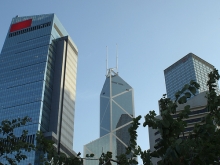
At last month’s Social Media Week (SMW) gathering in New York City, I had the sincere pleasure of attending a presentation by Prodigy Network CEO Rodrigo Nino. Nino is a visionary, propelling the concepts of crowdsourcing and crowdfunding to a space they’ve not yet been leveraged in for the modern world – commercial real estate development. Could this change the game of real estate? Absolutely.
Prior to 2013, the ability to purchase commercial property was almost locked down by behemoth investors who could afford sizable investments, often individual stakes of $1-$50 million or more. However, with Title III of the 2012 JOBS Act, this financial investment opportunity was opened to the public, consequently increasing the accessibility of commercial property from a legal standpoint. Unfortunately, there was no easily accessible online platform for individual investors to invest in commercial real estate – until now.
Prodigy Network
“Now with $100,000, anyone can be a Rockefeller.” -Rodrigo Nino
Prodigy Network first gained traction in Nino’s home country, Columbia. There, like many urban spaces throughout the world, cities are challenged by extremely dense populations, high traffic, and high living costs. Naturally, vertical high rise development was and still is the only opportunity for effective change. The challenge, however, is that developers and banks have been unwilling to finance the large projects and accept the increased risk. Nino’s solution? Cut out the middlemen and go directly to the people who are most vested and will, consequently, be predominantly impacted.
They raised $171 million in $20,000 increments to develop a skyscraper, the first skyscraper to be built in 40 years in the city of Bogota. The property is now one of the tallest skyscrapers in the country, creating a positive impact on the community and flipping the concept of real estate financing on its head – “The 99% is now the owner.”
According to Nino, the United States real estate industry is still catching up to the times - while the laws already established in Colombia, where crowdfunding has been in place for two decades. However, Prodigy Network has demonstrated that it's progressive enough to proactively incorporate many of the steps required in Colombia directly into the process here in the States, such as utilizing an independent third-party fiduciary for REP transactions (a REP, short for "real estate participation", is essentially a financially-defined investment increment).
17 John Street
Today, Prodigy Network is embarking on a similar project in New York City at 17 John Street. An inspiring 23-story commercial property in the heart of Manhattan, the existing building major renovations project will be designed through crowdsourcing and is well on its way to crowdfunding the $31 million through REPs of $100,000 each.
17 John will be a cotel. “What’s a cotel,” you ask? It’s a pseudo luxury hotel, co-working space and in-the-flesh LinkedIn networking hot spot all rolled into one. Guests will be able to connect initially via a digital platform and then, conveniently, meet up in person.
Nino kicked off the crowdsourcing of the 17 John design at SMW with fellow jury members and touted the total prize for winning concepts is $50,000. Think you might have what it takes? Submissions will be accepted until April 21 of this year.
But what does all of this mean for LEED? Well, crowdfunding and crowdsourcing of commercial buildings has a long way to go before it becomes commonplace. That said, I do predict the process will flourish dramatically in the next ten to twenty years. Consequently, LEED and green building projects may become a target for crowdfunding, as is being done with solar projects, through platforms such as Mosaic. Indeed, there is no reason why the next Prodigy Network project could not be LEED Platinum, Living Building Challenge or Green Globes certified. Whereas conventional green building projects may have one or a handful of sophisticated investors, future sustainability concepts could have considerably more stakeholders than what they’re already used to. I believe that crowdsourcing of designs will facilitate and fast track more innovations in green building and sustainable interior design, prompting a win/win for us all.
Most intriguing, however, will be whether the masses will pursue LEED certification with more or less rigor than traditional development firms. Please comment here and share your thoughts and predictions.
Connect.
Find LEED consultants and professionals with green building skills and experience.
Meet Pros.


Learn.
Relevant education and training to consider.
News.


Q&A.


Why join Poplar Network?

- Learn about green building
- Save on LEED exam prep
- FREE continuing education
- Join the conversation
- Connect with peers