
6 Certified Wood Tips for LEED Projects


Using 50% certified wood in a LEED project usually isn’t the tough part. Here are some tips to get you through the paperwork headache-free!
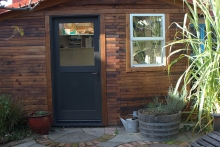
In LEED, the Certified Wood credit is one of the most straightforward. Simply put, based on cost, at least half of the wood used in your project needs to be FSC Chain of Custody (CoC) Certified. For projects that aren’t relying on an overabundance of wood, the requirements for achieving this credit aren’t overwhelming. If anything, the most difficult part of credit achievement is merely fulfilling the necessary administrative requirements.
To keep it simple, here are a few straightforward tips to keep in mind during the documentation process:
1) FSC Wood Suppliers Might Not Be CoC Certified: While it is possible to purchase FSC Wood from sources that are not CoC certified, always ensure that your producer is CoC certified via this search tool before orders are made.
2) Vendor Invoice Requirements: All new wood products have to be identified on a line item basis, showing the cost of each individual item, unless the purchase is extremely large in which case aggregate values may be acceptable. Either way, there must be explicit identification of the FSC-certified products as well as the vendor’s CoC number.
3) CoC is Needed When the FSC Wood is Procured: If you purchase wood from a supplier who is in the process of being CoC certified, the wood procured will not be applicable for this credit. Your source must be CoC certified at the time of purchase!
4) Controlled Wood is Inapplicable: FSC Controlled Wood is non-FSC certified material (or wood sourced from areas of unspecific risk) that is incorporated into FSC Mix products. While Controlled Wood may be incorporated into FSC Mix, it’s use in stand-alone form is ineligible for LEED credit purposes.
5) Multiple Project Purchases Count Only Once: If wood purchases are made for temporary purposes on multiple projects, they may only be incorporated into the calculations of one project. Which project they are incorporated into is up to you, but keep in mind, too, that all temporary wood purchases for that project will need to be included.
6) Installers Needn’t Be CoC Certified: Unless the installer of the wood is also the manufacturer or vender, they do not need to be CoC certified.
Keeping these few suggestions front of mind could be all the difference in satisfying the MRc6 without agonizing through unnecessary paperwork difficulties. Have more questions? Join in on our green building Q&A section!
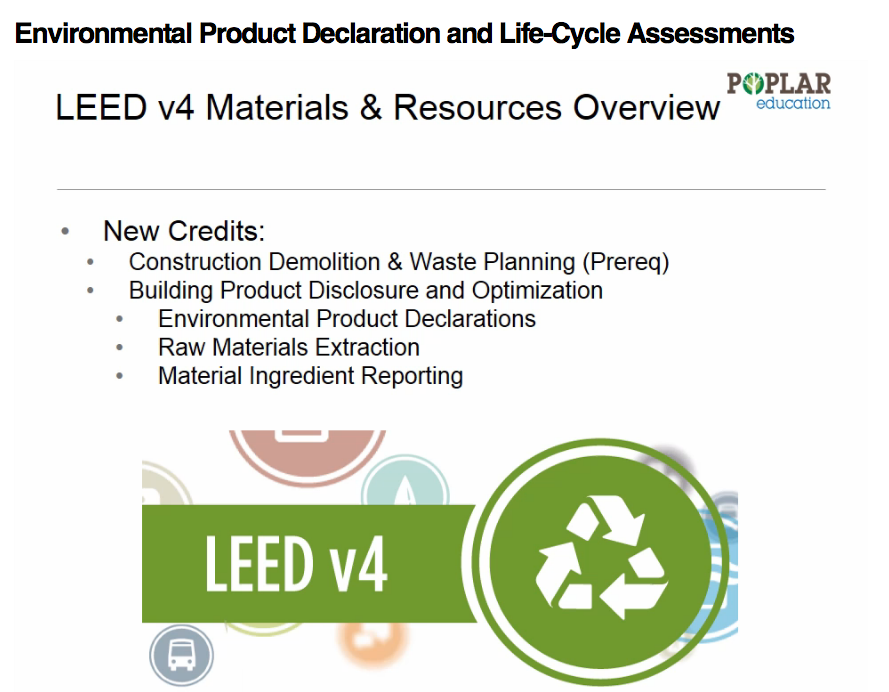
LEED v4 takes green products to the next level.
Learn about how Environmental Product Declarations (EPD) and Life Cycle Analysis (LCA) affects your green building product marketing process in this FREE training course for Poplar members.
Connect.
Find LEED consultants and professionals with green building skills and experience.
Meet Pros.


Learn.
Relevant education and training to consider.
News.


Why join Poplar Network?

- Learn about green building
- Save on LEED exam prep
- FREE continuing education
- Join the conversation
- Connect with peers