
What Is Evaporative Cooling?


Evaporative cooling is more energy efficient than conventional cooling because it lowers the temperature of air via the evaporation of water.
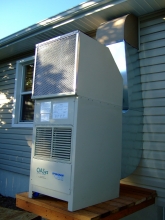
What Is Evaporative Cooling?
The consumer has a number of options available for factory heating and cooling, all of which can provide a comfortable workplace environment. Typically, the major differences between the options are the cost of the cooling device and the cost of running the device because of how much energy it uses.
For example the cheapest, but not necessarily the most effective, is the use of fans to simply circulate the air and provide cooling. The most effective method is probably air conditioning, but it is generally the most expensive due to its use of energy.
Evaporative coolers are an energy efficient, cost-effective option for cooling. Therefore, it is important to know what an evaporative cooler is, how it works and what its benefits are.
What Is an Evaporative Cooler?
An evaporative cooler is a cooling mechanical unit that relies on the process of water evaporation. It is a self-contained unit which includes a filter-like mesh, a water pump and a heavy duty fan. These elements of evaporative coolers are contained in a metal, generally square unit that has openings on all four sides to allow the circulation of the air.
The evaporative cooler is installed on the outside of a building and is usually elevated to gain the full exposure to the air so that the evaporation cooling process can take place. An evaporative cooler is extremely useful in moderate to dry climates because of the lack of humidity, and it cools by adding water to the air.
How It Operates
This evaporative cooling process includes the pumping of water from an electric water pump to mesh-like filters inside the evaporative cooling unit. The water saturates the meshing. A floating device mechanism that will automatically stop the water from entering the unit when it reaches a set level.
The water then begins to evaporate, or change from liquid water to vapor. The cool air is then circulated through the area that needs cooling by means of a fan inside the unit.
The Benefits
One of the benefits associated with evaporative cooling is energy savings for the customer. This is because the unit is energy efficient, using 75% less electricity than conventional air conditioners. It does this without the use of harmful refrigerants, and also adds water to the air in the process, which is ideal for dry areas.
Additionally, the system is versatile, because one large unit or separate smaller units can be used for factory cooling in manufacturing plants.
Finally, the system is beneficial because it is cheaper to install and maintain than traditional air conditioning units.
The main disadvantage of an evaporative cooling system is that it is not suitable for humid areas, because it will add too much additional water to indoor air. They also depend on a water source, so they should not be used in areas with water scarcity issues.
Connect.
Find LEED consultants and professionals with green building skills and experience.
Meet Pros.


Learn.
Relevant education and training to consider.
News.


Q&A.


LEED CMP


Why join Poplar Network?

- Learn about green building
- Save on LEED exam prep
- FREE continuing education
- Join the conversation
- Connect with peers