
Is Daylighting the More Healthful Option?


Daylighting presents health benefits that might be more even persuasive than the energy-saving perks!
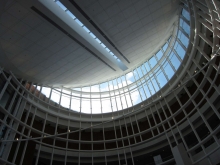
Off the top of our environmentally-inclined heads, in addition to LEED credits, we can all think of plenty of reasons to daylight: energy reduction, cost savings, and positive indoor environmental impact on building occupants are just some of the obvious. And then there are those reasons that are slightly less obvious, but still valid: better photos (hey... you look better in natural light!), so on and so forth. But how about one reason that just might trump all the others: your health!
Believe it or not, daylighting can be hugely beneficial in a biological sense, keeping your eyes, immune system, and sanity intact.
Perhaps most relatable is the impact that daylight has on the eyes when compared to artificial lighting. Everyone has experienced it - situations where our eyeballs are practically ready to fall out of our heads because they’ve been strained under harsh, flickering fluorescent lighting. Daylight doesn’t have the same effect. In fact, it’s the opposite. Daylight provides greater, more consistent lighting that simply makes the eyes work less. For those who work in fields where color discrimination is of particular importance - anyone in design, especially - daylighting presents a world of difference in accomplishing color-based tasks effectively and without inducing a migraine.
What’s more, daylight provides our bodies something they can’t get anywhere else - a specific, and critical, vitamin component, D3. Vitamin D3 is an essential part of our internal systems, helping to regulate immune system function and bone development. In short, Vitamin D has been proven time and again as an essential vitamin in fighting illness, improving circulation, and building a stronger skeletal system.
Finally, prolonged exposure to light has been known to alleviate symptoms of Seasonal Affective Disorder (SAD), more commonly referred to as the Wintertime Blues or Cabin Fever. Ever feel the crazies starting to creep in after a few months of the gloomy, cold weather? Don’t worry, we’ve all been there... But with ample, consistent access to daylighting, there’s less chance of feeling this way. Interior office spaces especially can benefit from this, as there is a direct correlation between the wintertime blues and productivity. Extreme encounters with SAD can be debilitating, costing employees sick days and companies real dollars in lost productivity.
There are plenty of reasons for pursuing daylighting options, but among the most persuasive is likely the very overt health implications of additional sunlight access. Perhaps that’s why connectivity between occupants and outdoor light has such an important emphasis in LEED.
Connect.
Find LEED consultants and professionals with green building skills and experience.
Meet Pros.


Learn.
Relevant education and training to consider.

LEED CMP

Why join Poplar Network?

- Learn about green building
- Save on LEED exam prep
- FREE continuing education
- Join the conversation
- Connect with peers