
W. Virginia Chemical Spill Yet Another Reason for Rainwater Systems


With the West Virginia water crisis comes even more reason for individuals and entire communities to consider alternative water sources - even above and beyond the LEED credits and environmental impact.
If you’ve been living under a rock, you could be excused if you had missed the major debacle facing nine counties in West Virginia that are completely cut off from their tap water after a chemical spill tainted the nearby Elk River on Thursday. Nearly 5,000 gallons of Crude MCHM, a non-hazardous coal-cleaning chemical capable of causing symptoms ranging from eye irritation to vomiting, leaked from a Freedom Industries tanker traveling the waterway through Kanawha County. As a result, roughly 300,000 people have been unable to bath, drink or cook with their water supply for days.
The Federal Emergency Management Agency (FEMA) supplied the area with 75 tractor trailers of bottled water, and will continue to do so until the chemical has been diluted enough for the water to reach the 1 part per million requirement mandated by the Centers for Disease Control and Prevention. Nevertheless, the costs and inconveniences have been immense, as schools and businesses have been closed. Luckily, of the 73 individuals who went to local hospitals with symptoms, only five were admitted, and none are considered to be facing life threatening conditions.
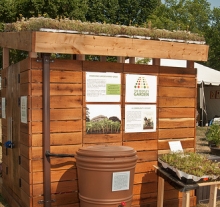
But this entire situation places a spotlight on the increasing importance of rainwater catchment systems and why they can be so beneficial. While such crisis scenarios are thankfully rare, they do happen - and if Charleston and the surrounding communities had access to an alternative water source, things would likely be very different.
While recycling and filtering rainwater for potable uses on a personal basis can be quite expensive and likely implausible for many of those affected in such a scenario, entire communities do have the infrastructure to justify the expenditure of a chemical or UV treatment system. Regardless, whether or not treatment systems are utilized, even non-potable systems would reduce some of the challenges being faced in West Virginia - like the inability to shower, or even just wash hands. According to NPR, pregnant women have been warned against drinking any water from the surrounding area.
Consider this article that describes community rainwater harvesting systems that were implemented in eight cities throughout the US in 2009 - the benefits, which don’t even include mention of such crisis situations, are myriad. In the end, the takeaway is this: whether new construction or upgrades to existing structures, the consideration of a rainwater catchment system should extend well beyond simply LEED credits to the very plausible “what if’s” of municipality water that we all face.
Connect.
Find LEED consultants and professionals with green building skills and experience.
Meet Pros.


Learn.
Relevant education and training to consider.
News.


Why join Poplar Network?

- Learn about green building
- Save on LEED exam prep
- Gain continuing education
- Join the conversation
- Connect with peers