- Home
- Directory
- Topics
- Energy & Atmosphere
- C-PACE
- Demand Response
- Energy Audits
- Energy Management System
- Energy Storage
- Fuel Cell
- Geothermal Heating
- Green Power
- HVAC
- High Efficiency Furnace
- High Efficiency Water Heater
- Insulation
- LED Lighting
- Lighting Controls
- Lighting Power Reduction
- Lighting Retrofit
- On-Site Renewable Energy
- Optimize Energy Performance
- Renewable Energy Supplier
- Solar Attic Fan
- Solar Photovoltaics
- Solar Pool Heater
- Solar Thermal
- Small Wind
- Smart Thermostat Installation
- Zero Energy Buildings
- Green Building Rating Systems
- Green Business and Careers
- Green Data Centers
- 179d Green Building Tax Deduction
- Additions & Remodels
- Architectural Design
- Commissioning
- Conscious Capitalism
- Green Building Insurance
- Green Commercial Buildings
- Green Homes
- Green Manufacturing
- Green Marketing
- Green Risk Management
- Green Jobs
- Health and Physical Activity
- Interior Design
- Property Assessed Clean Energy (PACE)
- Telecommuting
- Tiny House
- Vertical Farming
- Green Credentials
- Indoor Environmental Quality
- Location and Transportation
- Materials & Resources
- Sustainable Sites
- Water Efficiency
- Energy & Atmosphere
- Q&A
- News
- Education
- FAQ
- Contact Us

Vertical Farming Questions


Hi, I am a high school student and a member of FFA. I am writing a speech about the future of indoor vertical farming for a speaking competition and I had a few questions about the topic. I realize that this is a very busy organization, but if I could be put in contact with anyone that could answer my questions, that would be fantastic. My questions are:
1. Will disease and insect problems occur in such an intense and confined space over time?
2. Can quality corn eventually be grown economically indoors? If vertical farming were to ever replace conventional farming, corn would be necessary for feeding pork animals and sustaining the meat industry.
3. Is it economical to generate electricity in an indoor setting when sunshine is free?
If you are available, I'd love a response to any of these questions. Thanks so much!
Author


February 4
0 users voted0 users voted
Answer:
Hi Leonie, thanks for your interesting questions.
Vertical farming has some perceived benefits over conventional farming primarily because of its highly controlled and controllable nature. So, for instance, your question about disease and insect infestation in vertical farming environments could be less of an issue because the environment is tightly monitored and not exposed to the outside where insects could gain easy access to crops. Also, in theory in terms of disease, by controlling air quality through various air flush measures the vertical farm could be less disease prone than, say, one that is not regularly flushed or farmed by hand.
RE: question 2, according to this article on vertical farming, vertical farming is not a good strategy for growing corn. I do not know (or can't imagine) a world where vertical farming is a total replacement for conventional farming. Industrial feedstocks such as pork, cattle and poultry largely use corn from conventional farming and to me I can't see the need for vertical farming to exist separately from conventional farming, or it being a zero-sum-game where one scenario can exist only when the other does not exist.
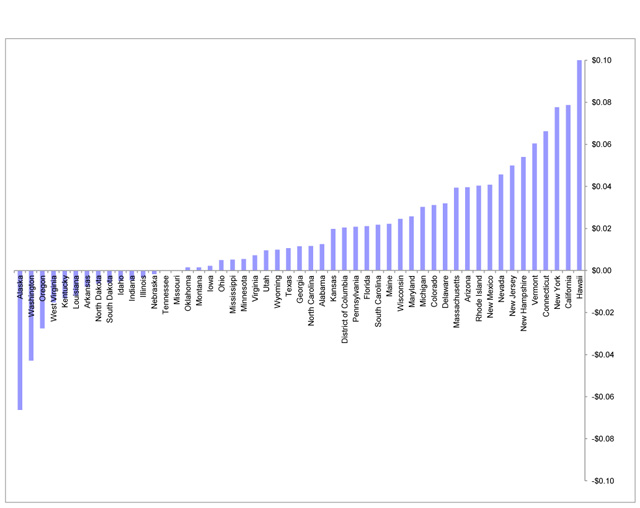
Your question about the sun being free, compared to the cost of electricity, is a good one and brings us to solar photovoltaics and grid parity... I can speak about the United States in that the cost of solar has reached grid parity (equal to the cost of conventional energy sources such as fossil fuels, which you can see in this chart) in many states in the U.S. and is expected to reach more states in 2016.
The concept of grid parity is even more interesting when considered along with energy storage (large batteries) that can store renewable energy from PV that is produced at cost or less than the cost of conventional fuels, for use at night or when the sun isn't shining. The cost of solar is expected to fall 50% further in the next decade, while battery technologies will continue to improve.
When LED lighting, which is highly efficient, is combined with solar electricity from PV the cost of solar for vertical farming versus exposed sunlight in conventional farming may be less on the whole. This study suggests that using LED lighting increased yields of tomatoes when compared to less efficient high pressure sodium lighting, which to me suggests that LED lighting in vertical farming growing environments could be MORE productive than conventional farming with sunlight. Though, I am not sure.
Labor costs of conventional farming can be reduced by as much as 50% in vertical farming environments, and water usage can be dramatically reduced because the environment is highly controlled. Water may be recycled and treated to 98% efficiency, which also reduces costs on the whole.
Let us know if you have more questions, Rob
Connect.
Find members with green building and green business skills and experience.
Meet Pros.

Learn.
Relevant education and training to consider.
Why join Poplar Network?

- Full Year Professional/Business Listing
- Professional Q&A Service
- Save on Exam Prep and CE
- FREE 9.5 Hour LEED CE pack
- Exclusive Industry Discounts
- Connect with Peers
Unanswered Questions
Popular Questions



Answer: